

Let’s be real for a second: nobody likes getting a 2 AM phone call about a flooded basement or a dead furnace in the middle of a Springfield winter. It’s stressful, it’s expensive, and it’s usually 100% preventable.
If you’ve been hanging out over on BiggerPockets lately, you’ve probably seen the massive thread "Small Maintenance Habits That Are Saving Landlords Thousands in 2026." The consensus? The "fix it when it breaks" model is officially dead. In 2026, the landlords who are actually making money are the ones shifting to a proactive mindset.
When you treat property management in Springfield, IL as a defensive asset protection strategy rather than a nuisance, the numbers change drastically. We’re talking about a 3-4x ROI just by catching things early.
Here are the five small maintenance habits that will keep your bank account full and your tenants happy.
1. Seasonal HVAC Servicing (Before the Heat Hits)
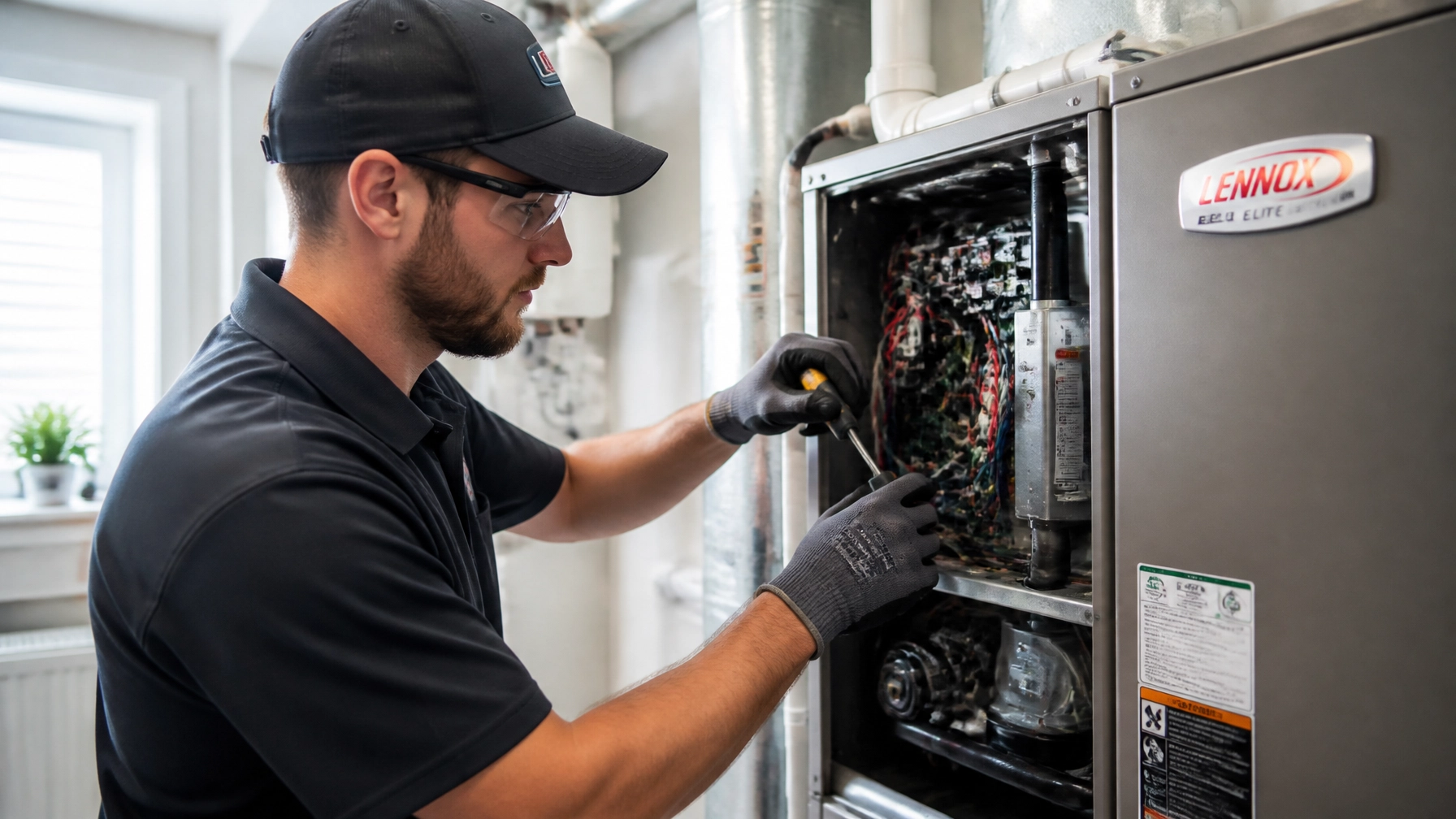
Springfield weather is… well, it's Springfield. We go from "frozen tundra" to "humid oven" in about forty-eight hours. If you wait until the first 90-degree day in July to find out your AC is shot, you’re going to pay the "Emergency Premium."
The Problem: Reactive maintenance typically costs 25-30% more due to emergency labor and rush parts. Plus, an unmaintained HVAC system loses about 5% efficiency every single year.
The Solution: Get a professional out there before the season peaks. A simple $150 tune-up can catch a failing capacitor or a slow leak before it turns into a $6,000 replacement.
Action Steps:
- Schedule service in April (for AC) and October (for Furnaces).
- Change filters every 60–90 days (or provide a year's supply to the tenant at move-in).
- Clear debris and tall grass from around the exterior condenser unit.
> Translation: "A $150 check-up today stops a $6,000 heart attack in July."
2. Deploying Smart Leak Detectors
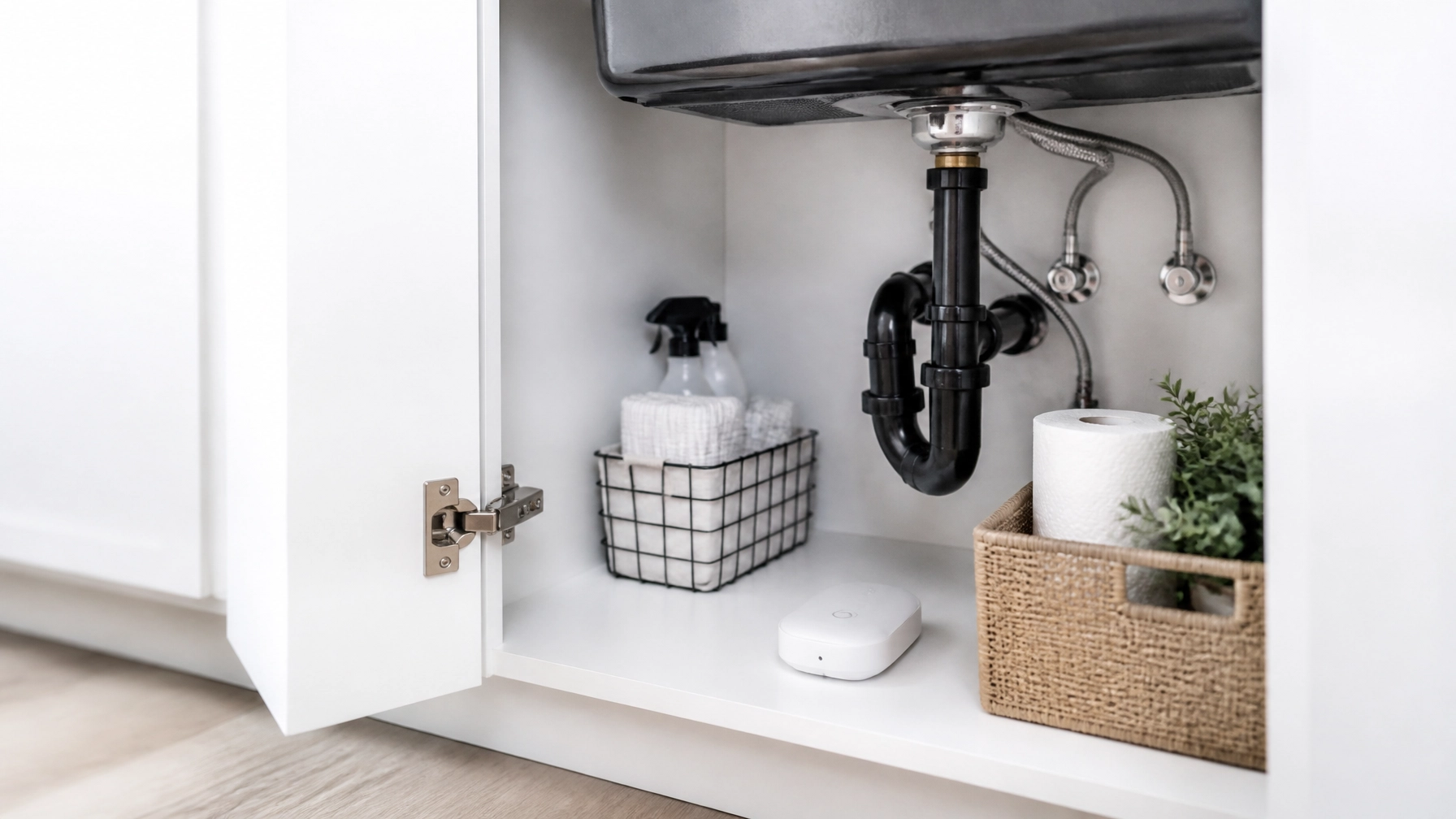
Water is the silent killer of rentals in Springfield, IL. A tiny drip under a kitchen sink can rot out a cabinet and sprout mold before the tenant even notices the floor is damp.
The ROI: Industry data shows that smart leak detection systems can eliminate 70–90% of water-damage losses. A $50 sensor under a water heater or sink can prevent a $50,000 insurance claim.
Pro Tip: Focus on high-risk areas first. If your property has a basement or an older water heater, these are non-negotiable. Many insurance companies even offer a discount on premiums if you have these installed.
Action Steps:
- Place sensors near water heaters, washing machines, and under kitchen/bathroom sinks.
- Connect them to a hub that sends an alert directly to your phone (and ours, if we’re managing the property for you).
- Test the batteries once a year during your annual walkthrough.
3. The "Rainy Season" Roof and Gutter Check

Foundation issues are some of the most expensive repairs you’ll ever face. And in 90% of cases, foundation problems in Springfield are caused by one thing: clogged gutters.
The Problem: When gutters overflow, water pools at the base of the house. In our climate, the freeze-thaw cycle then wreaks havoc on your foundation.
In Short: If the water isn't moving away from the house, it’s moving into your equity.
Action Steps:
- Annual Inspection: Check for loose shingles and blocked downspouts every autumn after the leaves fall.
- Extension Check: Ensure downspout extensions are carrying water at least 6-10 feet away from the foundation.
- The "Look Up" Rule: Train yourself (or your property manager) to look at the roofline every time you visit the property. Early signs of "cupping" or moss can save you a full roof replacement if caught early.
4. The Move-In Tenant Maintenance Checklist
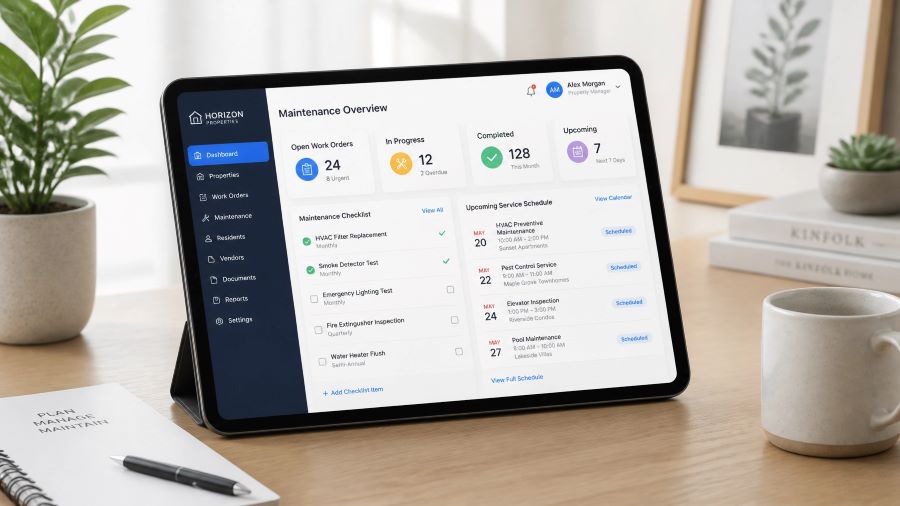
Believe it or not, most tenants want to take care of the home, they just don’t always know how. By providing a clear checklist at move-in, you’re setting the standard for the entire lease.
The Strategy: Don't just hand over the keys. Hand over a "How to Care for This Home" guide. This reduces "landlord anxiety" because the tenant knows exactly what they are responsible for and what to watch out for.
What to include in the checklist:
- How to shut off the main water valve (crucial for emergencies!).
- Where the GFCI resets are located.
- The importance of reporting "small" drips immediately.
- Basic HVAC filter replacement instructions.
Action Steps:
- Include a maintenance "Orientation" during the move-in walk-through.
- Provide a digital copy of the manual through your online resident portal.
5. Upgrade to "Mid-Range" Durable Fixtures
Stop buying the cheapest plastic faucets and light fixtures at the big-box stores. They are designed for homeowners who will be gentle, not for springfield rental properties where they’ll see heavy use.
The Logic: A $40 plastic faucet will break in 18 months. A $120 all-metal faucet will last 10 years. You’re saving money by avoiding the labor cost of the second, third, and fourth repair calls.
Pro Tip: Standardize your finishes. If every unit uses the same durable brushed nickel faucet, you can keep one spare on the shelf and swap it out in 15 minutes if an emergency happens.
Action Steps:
- Replace plastic toilet handles with metal ones (they never break).
- Swap out "builder grade" light fixtures for sturdy, modern LEDs.
- Use high-quality, semi-gloss paint in kitchens and bathrooms, it’s much easier to clean between tenants.
The Verdict: Staying Afloat in 2026
Maintenance shouldn't be a surprise. It should be a system. When you work with professional property managers in Springfield, IL, these habits are built into the workflow. We track the dates, we manage the vendors, and we catch the drips before they become floods.
If you’re still managing your own properties, use the checklist below to stay ahead of the curve.
Your Proactive Maintenance Checklist:
- April/October: HVAC Professional Tune-ups.
- Semi-Annual: Check under all sinks for moisture/leaks.
- November: Gutter cleaning and downspout inspection.
- Ongoing: Replace cheap fixtures with durable, mid-range alternatives as they fail.
- Always: Respond to tenant maintenance requests within 24 hours to build trust and catch issues early.
Ready to stop worrying about 2 AM phone calls? At Springfield Real Estate, LLC, we treat every property as if it were our own. Check out our owner services here to see how we can help you maximize your ROI while minimizing your stress.
Disclaimer: This article provides general information and industry best practices for property maintenance. It does not constitute legal or professional financial advice. For specific maintenance requirements or legal compliance regarding your rental property, please consult with a licensed contractor or legal professional in the state of Illinois.
